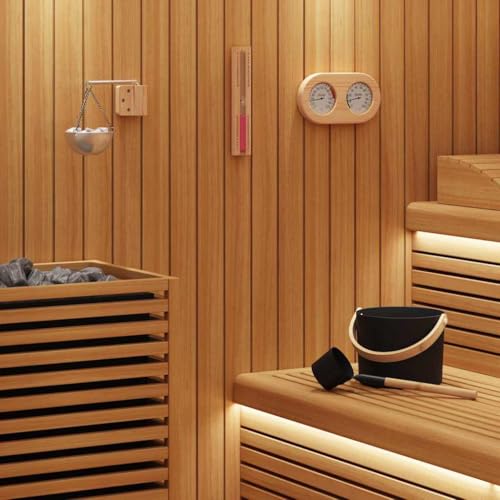
preventing wood damage in your sauna through proper care
Saunas offer a relaxing retreat and a haven for wellness, but they require diligent care to maintain their beauty and functionality. The wooden structures in these sanctuaries can be susceptible to damage from heat and humidity. Therefore, understanding how to properly care for the wood is vital in ensuring your sauna remains in optimal condition for years to come.
Understanding the Wood Used in Saunas
Most saunas are constructed from softwoods like cedar, pine, or spruce, chosen for their natural resistance to moisture and heat. Cedar, in particular, is known for its durability and fragrant aroma. However, regardless of the type of wood, neglect can lead to issues such as warping, cracking, and discolouration. Knowing the specific wood used in your sauna can help you tailor your maintenance routine accordingly.
Regular Cleaning Practices
Regular cleaning is essential to prevent the build-up of dirt, oils, and sweat, which can lead to wood damage. After each use, wipe down the benches and walls with a soft cloth or towel. This simple action helps to remove moisture and prevent bacteria growth. For deeper cleans, use a mild soap and water solution, ensuring you do not saturate the wood. Rinse thoroughly and dry the surfaces to avoid lingering moisture.
People Also Look For:
- RexDigi Aurora Light Gift Home Decor Lighting for Wedding Anniversary Valentine\'s Day Christmas New Year
- Primary Class Wooden Classroom Stacking Chairs (Pack of 2) Stackable Chairs Blue Seat Height 35cm
- HUANYO Wearable Towel - Absorbent Bath Wrap & Beach Dress with Pockets for Women, Soft Bathrobe Poncho for Spa, Pool, Swimming, Va...
- Portable Foldable Bathtub, Soaking Bathtub for Hot Shower and Ice Bath, Sauna Bath Tub for Adults (94L x 55W x 56H cm)
- Braun CareStyle Compact Pro IS2565BL, Steam Iron with FreeGlide 3D Technology, iCareMode, Eco and Turbo Modes, Vertical Steaming, ...
Controlling Humidity Levels
Saunas naturally have high humidity levels, but it is crucial to keep them within a manageable range. Installing a hygrometer can help you monitor humidity levels. Ideally, they should be between 10 to 20 percent when the sauna is not in use. After each session, allow the sauna to ventilate properly by opening the door and using an exhaust fan if available. This practice helps to lower humidity, reducing the risk of wood rot and mildew.
Temperature Management
Excessive heat can cause the wood to dry out, leading to cracks and splits. It is advisable to maintain a consistent temperature, ideally between 70 to 90 degrees Celsius. Avoid placing sauna stones directly against the wood, as this can create hot spots that may damage the surface. Instead, use heat shields or barriers to protect the wood from direct contact with extreme temperatures.
Periodic Inspections
Applying Wood Treatment Products
Every few years, consider applying a wood treatment product designed specifically for sauna wood. These products can help create a protective barrier against moisture and heat, preserving the natural beauty of the wood. Choose a treatment that is safe for high temperatures and has a low level of volatile organic compounds. Always follow the manufacturer's instructions for application and drying times.
Ensuring Proper Ventilation
Good ventilation is essential for prolonging the lifespan of your sauna's wood. Ensure that there are air vents that allow fresh air to circulate while the sauna is in use. This circulation helps to reduce humidity levels and prevent wood damage. Additionally, avoid overcrowding the sauna with towels or clothing, as this can impede airflow.
Choosing the Right Accessories
When selecting accessories for your sauna, opt for those specifically designed for high-heat environments. Avoid using metal hooks or accessories that retain heat, as they can damage the wood. Instead, choose wooden or silicone items that will not cause harm or discolouration to the sauna's surfaces.